
of online shoppers used AI to research their most recent purchase
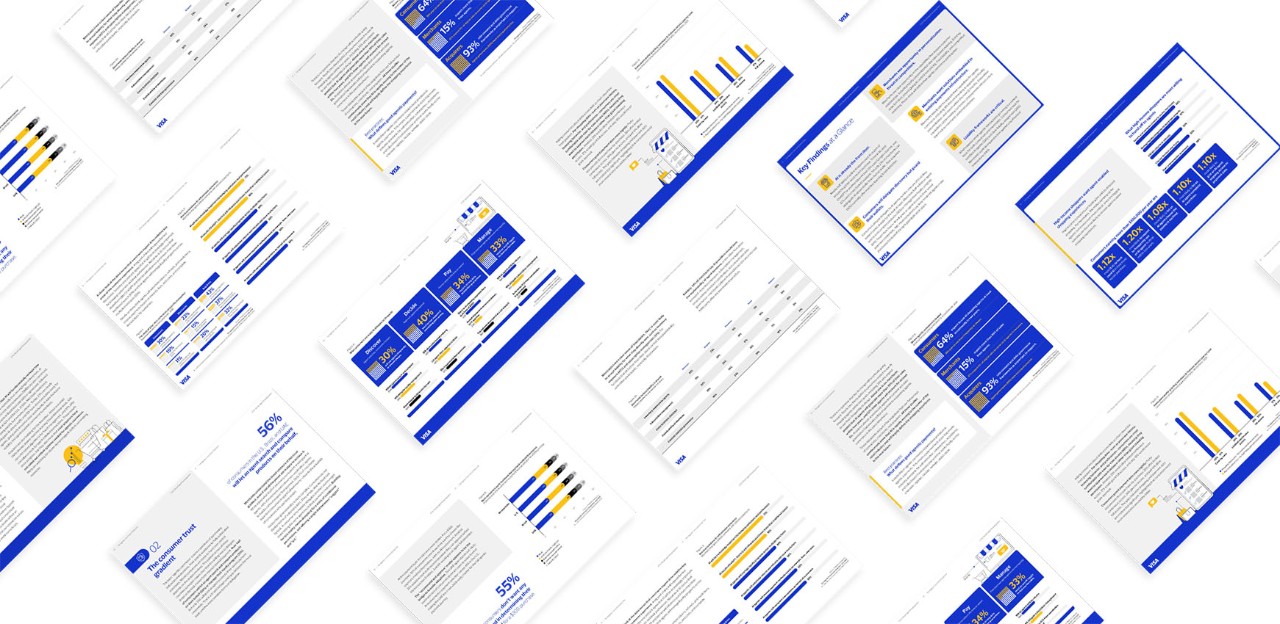
How consumers use AI to buy in 2026

48%

15%
of merchants have their product catalogs discoverable by agents, leaving much of their catalog invisible to the AI-assisted shopper

1/3
of consumers are already willing to let AI agents handle payments, suggesting growing comfort with delegating the full shopping journey
Be discoverable by AI agents
AI is becoming a new starting point for shopping, helping consumers find, compare and evaluate products. Yet just 15% of merchants have the structured data needed to make their products, pricing and policies ready for AI agents.
Merchants can strengthen their visibility by making product information, pricing, availability, promotions and policies easier for AI to interpret. Building a foundation of AI discoverability can help you better understand agent-assisted journeys and position your business to capture emerging demand.
Turn AI assistance into better shopping experiences
More than half of consumers (56%) already turn to agents to search and compare products. This creates an opportunity for merchants to make shopping more useful and convenient while allowing customers to choose how much support they want.
For instance, merchants can help agents compare products, apply loyalty benefits, manage routine orders and support returns while still giving consumers control over permissions, approvals, and spend limits.
Bring trusted payments into the agentic era
Agent-led payments should feel like a trusted extension of familiar commerce experiences rather than a separate way to buy.
That’s why 41% of merchants prefer agentic capabilities embedded in the existing infrastructure they already use. Building on established infrastructure can help bring familiar protections, consistent controls and clear accountability to agent-led transactions.
Get the reports
Register now to get the 2026 Global Digital Shopping Index: Agentic Commerce Deep Dive.
The report includes:
- A cross-ecosystem view of consumer, merchant and acquirer readiness
- The consumer trust gradient from discovery through payment
- The controls merchants consider non-negotiable
- A phased roadmap from agent visibility to scalable transactions
You’ll also receive access to the full series of GDSI reports from this year.
Make payments your business advantage
Meet the demands of next-generation commerce with flexible solutions designed to support mobile-first, AI-driven, and always-on shopping experiences.

Digital acceptance
Accept a wide range of payment methods, including cards, wallets, and emerging alternative payment methods. Deliver consistent, flexible experiences that support how customers browse, decide, and buy today, whether online, in-app, or across connected environments.

In-person acceptance
Connect your in-store experiences and your physical checkout with digital journeys. Support mobile-assisted shopping, unified experiences, and consistent payment flows across every touchpoint.

Fraud management
Build trust in every transaction with tools designed to help reduce fraud and support secure, reliable payments across channels. Strengthen your ability to confidently approve more valid transactions while preparing for increasingly automated, AI-driven commerce.

Tokenization
Secure sensitive payment data with tokenization while helping to enable safer, more flexible transactions. Support the shift toward AI-driven commerce with secure, rule-based payment credentials designed for automated and machine-initiated transactions.
1 The 2026 Global Digital Shopping Index draws on a survey of 1,185 retail merchants across three countries (the United States, Brazil, and the United Arab Emirates) fielded in March 2026 by PYMNTS Intelligence.
Disclaimer: Case studies, comparisons, statistics, research, and recommendations are provided “AS IS” and intended for informational purposes only and should not be relied upon for operational, marketing, legal, technical, tax, financial, or other advice. Visa neither makes any warranty or representation as to the completeness or accuracy of the information within this document, nor assumes any liability or responsibility that may result from reliance on such information. The information contained herein is not intended as investment or legal advice, and readers are encouraged to seek the advice of a competent professional where such advice is required.